
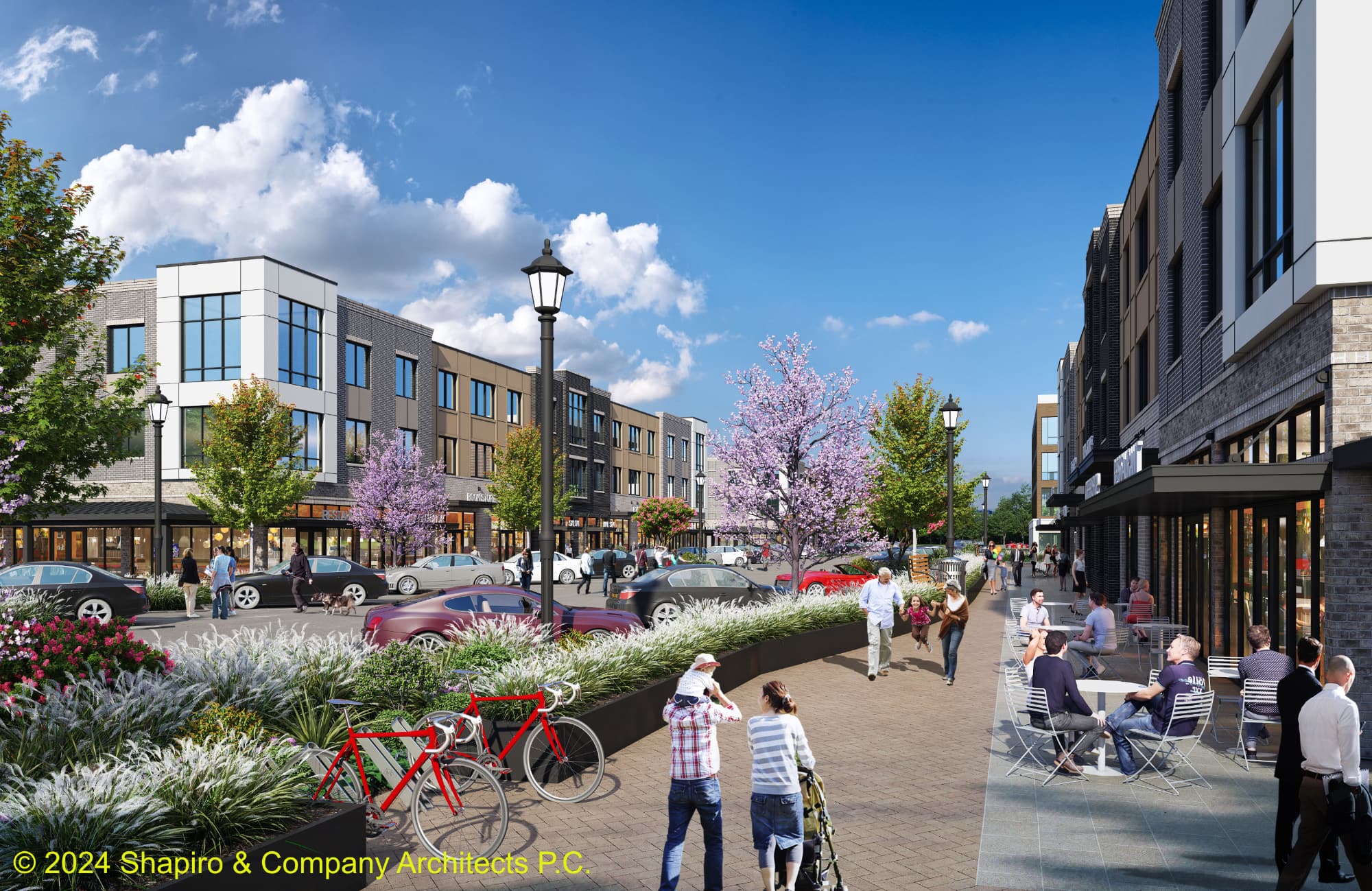
What it’s like to live in a walkable, mixed-use master-planned community comes down to one simple shift: your daily life gets closer together. At Delta Landing in Hernando, Mississippi, your home, favorite coffee shop, green spaces, and neighbors share the same connected community. You walk more. Driving becomes the exception, not the rule. And the people around you stop being strangers.
What Is a Walkable, Mixed-Use Master-Planned Community?
A walkable, mixed-use master-planned community is a thoughtfully designed development that combines homes, shops, dining, offices, and green space within one connected layout. Residents can walk to most daily destinations instead of driving. The goal is to reduce car dependency, encourage healthier routines, and build genuine connection between neighbors and local businesses.
That definition plays out well at Delta Landing, a master-planned community in Hernando, Mississippi, built by Sky Lake Construction. The community blends traditional homes, townhouses, lofts, and a 55+ community alongside commercial space planned for retail, dining, and offices. Instead of separating where you live from where you shop, eat, or relax, everything sits within walking distance.
Here’s what sets this style of community apart:
- Integrated design: Homes and businesses are planned together from day one, not added later.
- Pedestrian priority: Sidewalks, trails, and street layouts are built around people first.
- Lifestyle variety: Multiple home types serve different life stages within the same community.
- Shared spaces: Parks, gathering areas, and a true town center give residents reasons to step outside.
It’s community-forward living, where your life lives close to everything you need.
How a Walkable, Mixed-Use Master-Planned Community Is Designed to Work
Behind every well-planned community sits a simple rule: your daily needs should fall within a 5 to 10 minute walk. Streets, sidewalks, trails, and gathering spaces are mapped together first, then homes and commercial spaces fill in around them. The result is a layout that puts people, not cars, at the center of every decision.
At Delta Landing, that philosophy guides the entire site plan. Here’s how the pieces fit together:
- Connected pedestrian routes. Sidewalks and pathways link homes to the town center, schools, and green space without forcing residents to cross car-heavy roads.
- A true town center. The commercial property is positioned so residents can walk to coffee, lunch, errands, or evening dining.
- Mixed housing types. The LeFlore offers traditional homes for families. Bellewood Grove serves active adults aged 55 and older. Onward Point provides townhouses. The Flats at Delta Landing offers modern lofts above retail.
- Integrated green space. Parks and recreation areas are woven into the community, not tucked at the edges.
- Proximity to schools. Homes sit within easy reach of nearby schools, so families can keep daily routines simple and close to home.
Every layout decision works back to the same idea: homes for every lifestyle, all connected by walkable paths and built with intention by Sky Lake Construction.
Benefits of Living in a Walkable, Mixed-Use Community
The benefits show up quickly. Some are obvious. Others sneak up on you over time.
Here’s what residents typically notice:
- Better daily health. Walking to dinner, the gym, or the coffee shop adds movement to your routine without needing a workout plan. Walkable communities are generally associated with higher activity levels and healthier daily habits.
- Stronger social connection. When you bump into neighbors on sidewalks and at local businesses, friendships happen naturally. Isolation is harder when your community is built for interaction.
- Convenience that saves time. Picking up groceries, grabbing lunch, or meeting a friend doesn’t require a 20-minute drive. Many errands take minutes on foot.
- Lower transportation costs. Families often find they drive less, fuel up less often, and sometimes downsize to one car. Those savings add up year after year.
- Strong long-term value. Walkable mixed-use communities generally tend to stay in demand because the lifestyle they offer is hard to replicate. Buyers and renters seek them out.
- Lifestyle flexibility. With traditional homes, townhouses, lofts, and a 55+ community in one place, your housing can shift with your life without leaving the community you love.
How does walkability improve daily health and connection?
Daily movement becomes effortless when your destinations are close enough to reach on foot. Instead of scheduling a workout, you simply walk to dinner, the gym, or a neighbor’s home. That natural activity supports better routines, and the frequent face-to-face moments on sidewalks and at the town center help friendships form without effort. Connection becomes part of the design rather than something you have to chase.
What lifestyle and financial benefits do residents gain?
Living close to everything you need tends to reshape your spending and your time. Residents often drive less, which can lower fuel and maintenance costs over the year. The variety of home types also means your housing can evolve as your life does, from a townhouse to a traditional home to a 55+ community, all without leaving the place you’ve come to love. That blend of convenience and flexibility is hard to find in a typical layout.
This is the heart of walkable, community-forward living. Convenience, connection, and quality of life all in one place.
Walkable Mixed-Use vs. Traditional Suburban Living
Daily life looks dramatically different depending on how a community is built, and most people underestimate just how much. Here’s a side-by-side look at what daily life feels like in each.
| Daily Experience | Walkable Mixed-Use Community | Traditional Suburban Layout |
|---|---|---|
| Running errands | Walk to shops and dining within minutes | Drive to retail centers miles away |
| Commute to amenities | Sidewalks and trails | Cars required for nearly everything |
| Meeting neighbors | Frequent, natural interactions | Limited to driveways and mailboxes |
| Home variety | Multiple housing types in one community | Usually one home type per development |
| Green space access | Integrated parks within walking distance | Often requires driving to public parks |
| Time spent in the car | Significantly reduced | Substantial daily driving |
| Town center feel | Built-in gathering places | No central hub |
Traditional suburbs were designed around the car. Everything sits far apart, which means even a quick coffee run takes planning. Walkable communities flip that. You step outside, you’re already there. Over a year, the time saved is significant, and the lifestyle shift is even bigger.
Cost Factors to Consider Before Moving In
Cost in a walkable, mixed-use community depends on more than the sticker price of a home. The community fees that support shared amenities and the daily expenses you save by walking instead of driving both shape the real number. It helps to look at the full picture, because walkability often offsets costs that traditional suburbs aren’t always upfront about.
Here are the factors worth weighing:
- HOA or community fees. Master-planned communities typically include shared services. At Delta Landing, certain communities include no-maintenance lawns through HOA fees, which means weekends back in your pocket.
- Transportation savings. Driving less means less fuel, fewer repairs, and sometimes one fewer car in the household. Many residents report meaningful annual savings.
- Proximity to the town center. Homes closer to commercial spaces and gathering areas often stay in strong demand because of the convenience they offer.
- Long-term property value. Master-planned communities with a clear vision and active commercial development tend to support steady, healthy long-term value as the community grows.
Is a Walkable Mixed-Use Community Right for You?
This style of living suits people who want their daily life closer together. If you’d rather walk to dinner than drive across town, if you value knowing your neighbors, if you want amenities just outside your door, a mixed-use development like Delta Landing fits the way you actually want to live.
It works especially well for:
- Families who want safe sidewalks, nearby schools, and easy access to parks and dining.
- Working professionals who want shorter routines and built-in social spaces.
- Active adults aged 55 and older looking to downsize without losing community, which is exactly what Bellewood Grove was designed for.
- First-time homeowners drawn to townhouses or lofts at Onward Point and The Flats at Delta Landing.
It may not be the right fit if you want acres of private land, long driveways, or distance from neighbors. Walkable communities trade some space for connection and convenience. That trade is exactly what makes them work.
If it sounds like your kind of life, the next step is matching your home type to your life stage. Delta Landing has homes for every lifestyle, and the team can help you find the right one.
Frequently Asked Questions
What makes a community truly walkable?
A truly walkable community puts daily needs within a 5 to 10 minute walk of home. That means connected sidewalks, safe street crossings, integrated commercial space, and a layout designed around pedestrians rather than cars. Master-planned developments like Delta Landing in Hernando, MS, are built around this principle from the start by Sky Lake Construction.
Are mixed-use communities good for families?
Yes, families often thrive in mixed-use communities. Kids benefit from safe sidewalks, nearby parks, and the ability to walk to friends’ homes or local shops. Parents save time on errands and driving. At Delta Landing, The LeFlore offers traditional family homes positioned within easy reach of nearby schools, making weekday routines simpler for everyone.
Do walkable communities cost more to live in?
Home prices can vary, but the full cost picture often balances out. Residents typically spend less on transportation, fuel, and vehicle maintenance. Communities with shared amenities and lawn care included in HOA fees also save time and outside service costs. Long-term, walkable master-planned communities tend to hold strong value.
What home types are available at Delta Landing?
Delta Landing in Hernando, MS, offers four distinct communities: The LeFlore for traditional and rear-load family homes, Bellewood Grove for active adults aged 55 and older, Onward Point for 3-bedroom townhouses, and The Flats at Delta Landing for modern lofts above the town center. There are homes for every lifestyle and life stage.
How do HOA fees work in master-planned communities?
HOA fees fund the shared amenities, services, and upkeep that make a master-planned community work. That can include landscaping, common area maintenance, community events, and shared green spaces. At Delta Landing, certain communities include no-maintenance lawns as part of the HOA, so you can relax without worrying about weekend upkeep.